Lansing, Michigan
158,000square feet
The project included
2025 Michigan Battle of the Buildings winner with a 22% reduction in weather-normalized Source EUI (kBtu/ft²)
A rebate application is in progress with Consumers Energy.
Michigan State University was awarded in the 2025 Michigan Battle of the Buildings competition, in the Healthcare & Science category, with a 22% reduction in Weather-normalized Source EUI (kBtu/ft²).
Objective
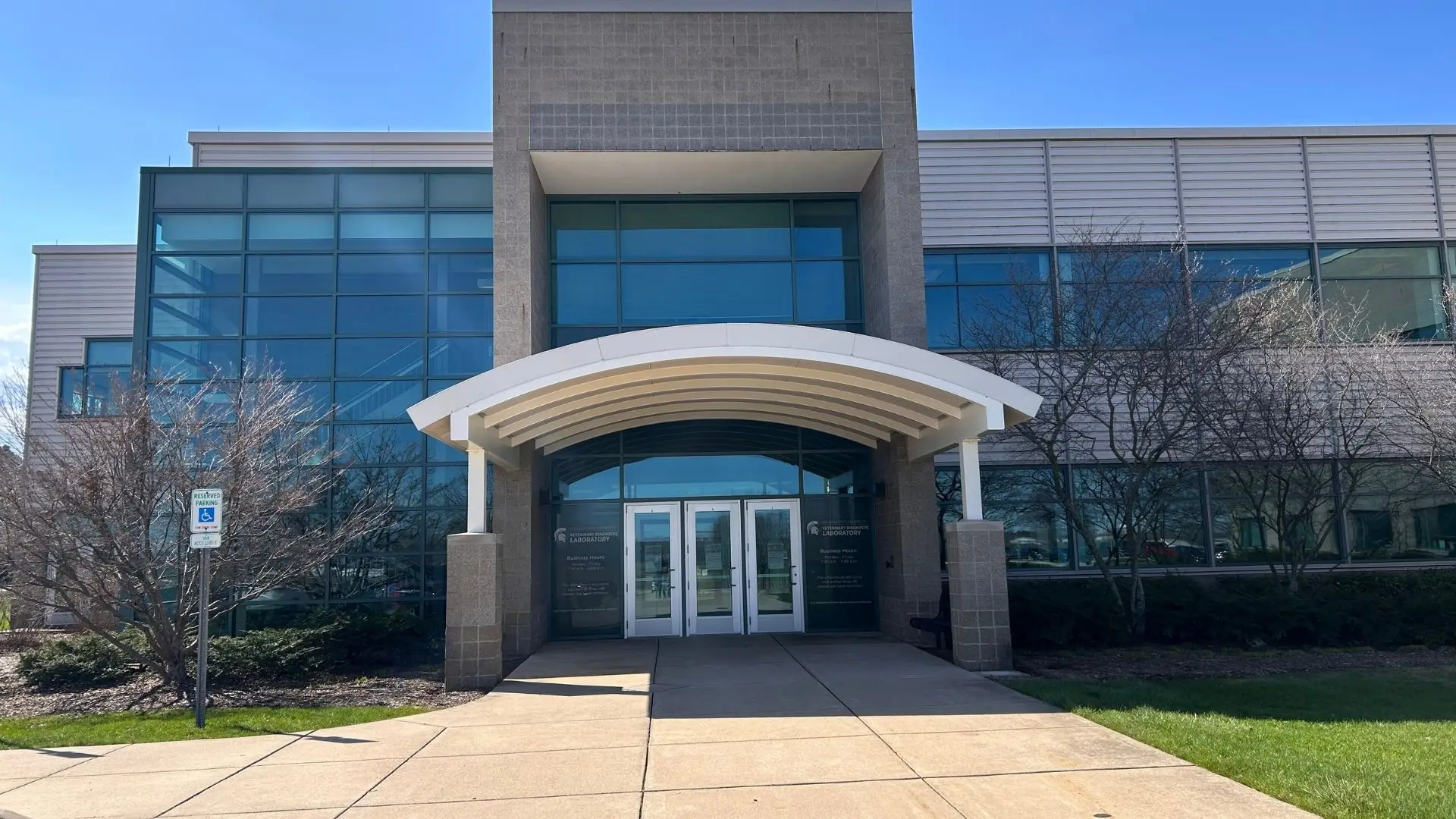
The Michigan State University Veterinary Diagnostic Laboratory (MSU VDL), a service unit within the College of Veterinary Medicine, is a full-service, fully accredited facility for all animal species. As the diagnostic arm of the college, the MSU VDL provides vital animal health services for Michigan and beyond.
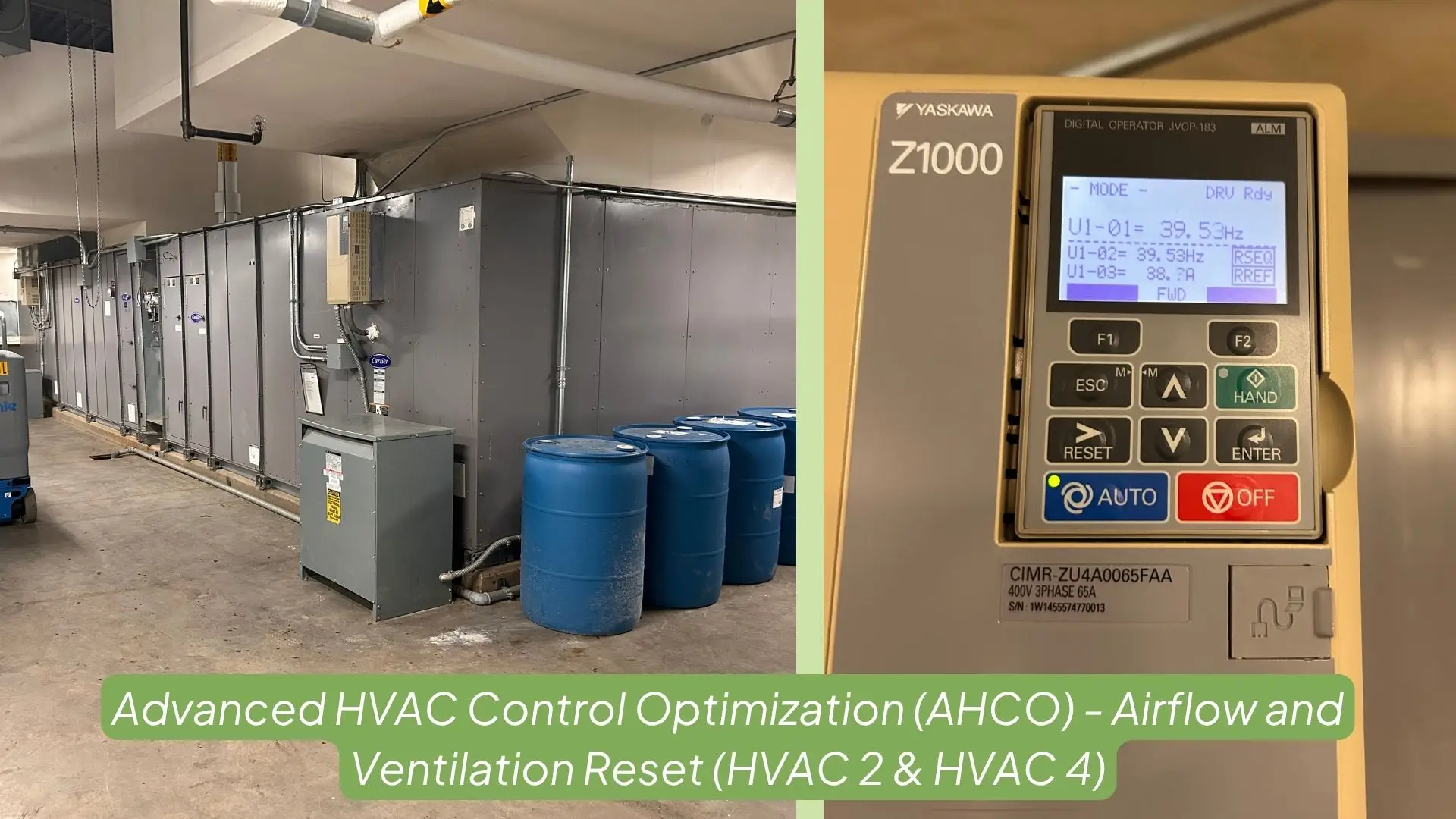
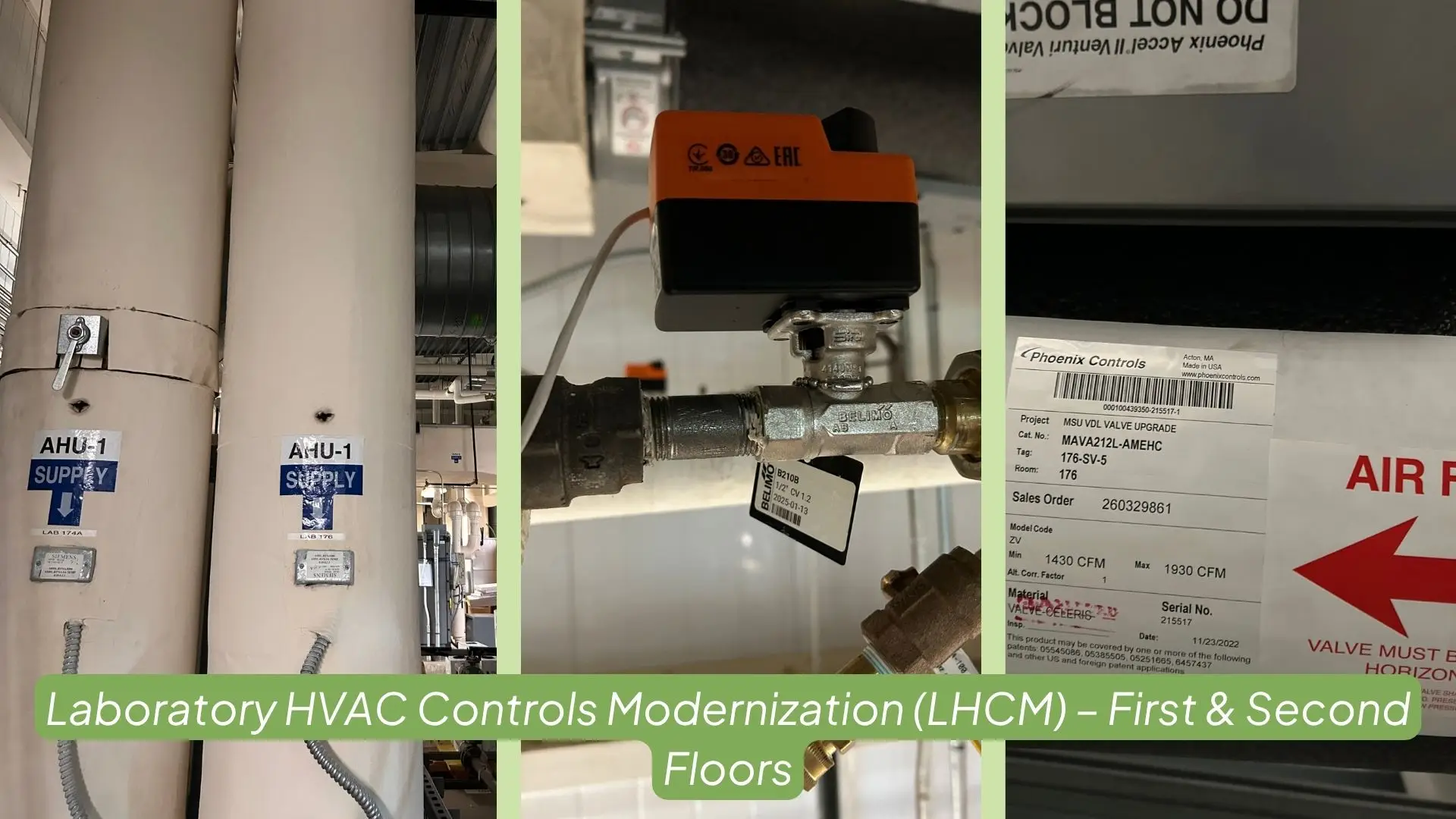
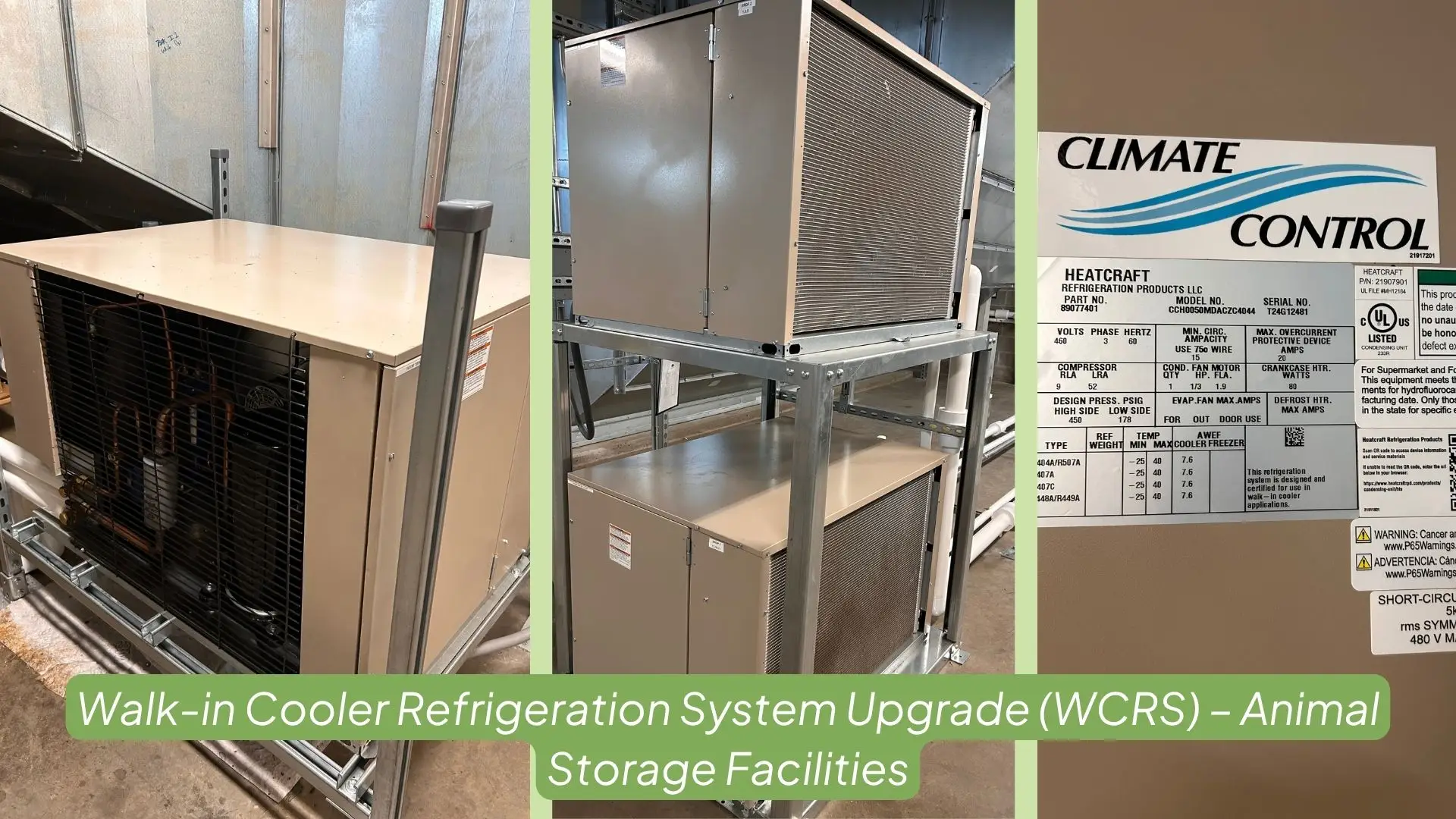
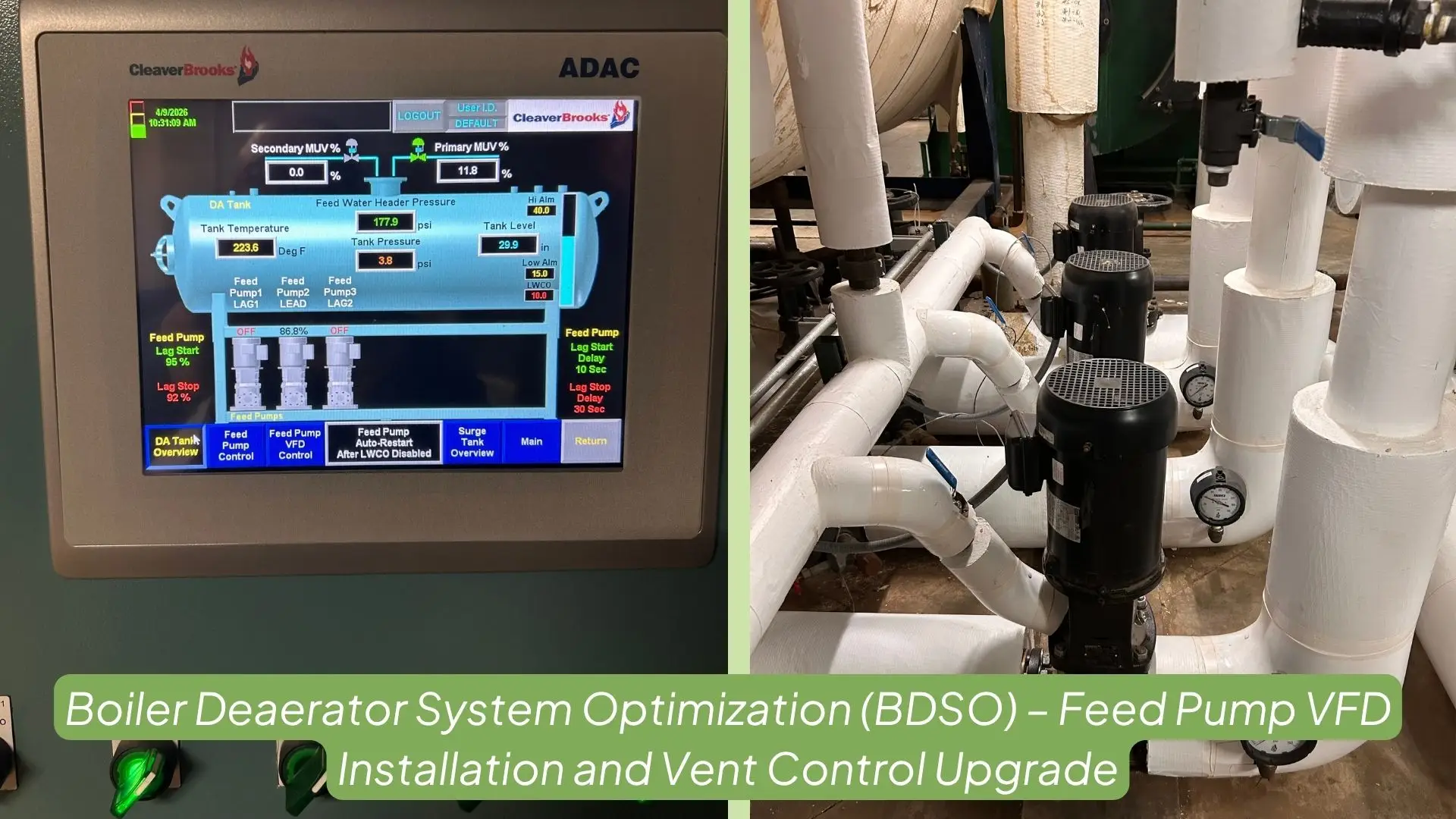
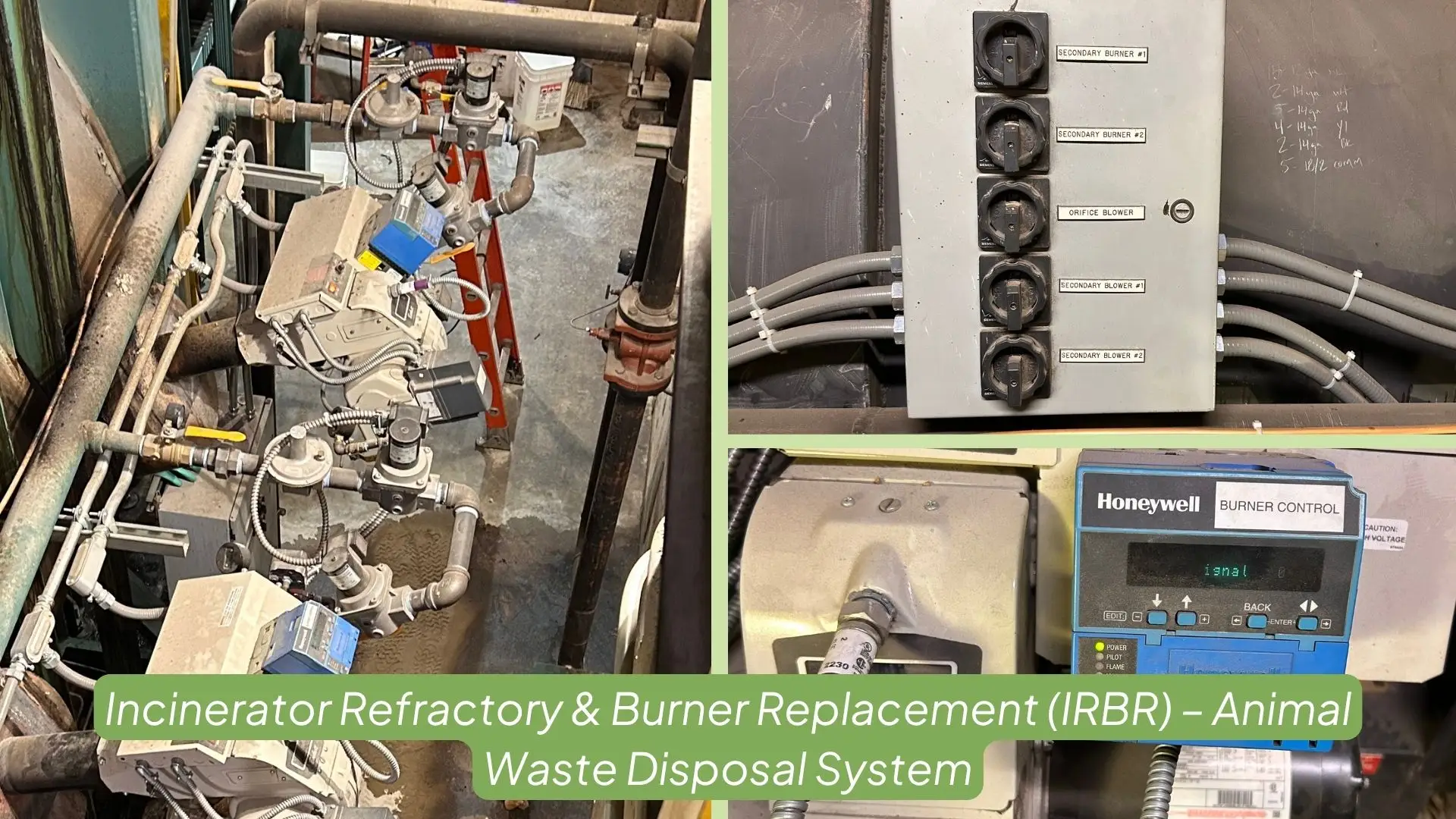
Between 2024 and 2025, this facility underwent six strategic projects focused on energy efficiency, safety, and reliability. While each project addressed unique operational needs, they worked in concert to achieve a 22% reduction in Weather Normalized Source Energy Use Intensity (EUI).
Below are the 6 projects implemented at the VDL:
These projects utilized a diverse array of solutions tailored to infrastructure security, thermal insulation, and advanced building controls.
Results
These projects focused on reducing load on equipment, energy efficiency, linking to the central Building Automation System, and programming for demand-based usage. The team strategized for long-term outcomes and continuous improvement. From these upgrades, the facility achieved an overall energy reduction of 22%, primarily driven by a 34% reduction in natural gas consumption (which accounts for roughly 74% of the building’s baseline energy use). These measures resulted in an emission reduction of 1,866 metric tons CO2e—a 19% total decrease. Beyond energy savings, the projects delivered enhanced safety, operational reliability, superior air quality, and cost-effective scalability.
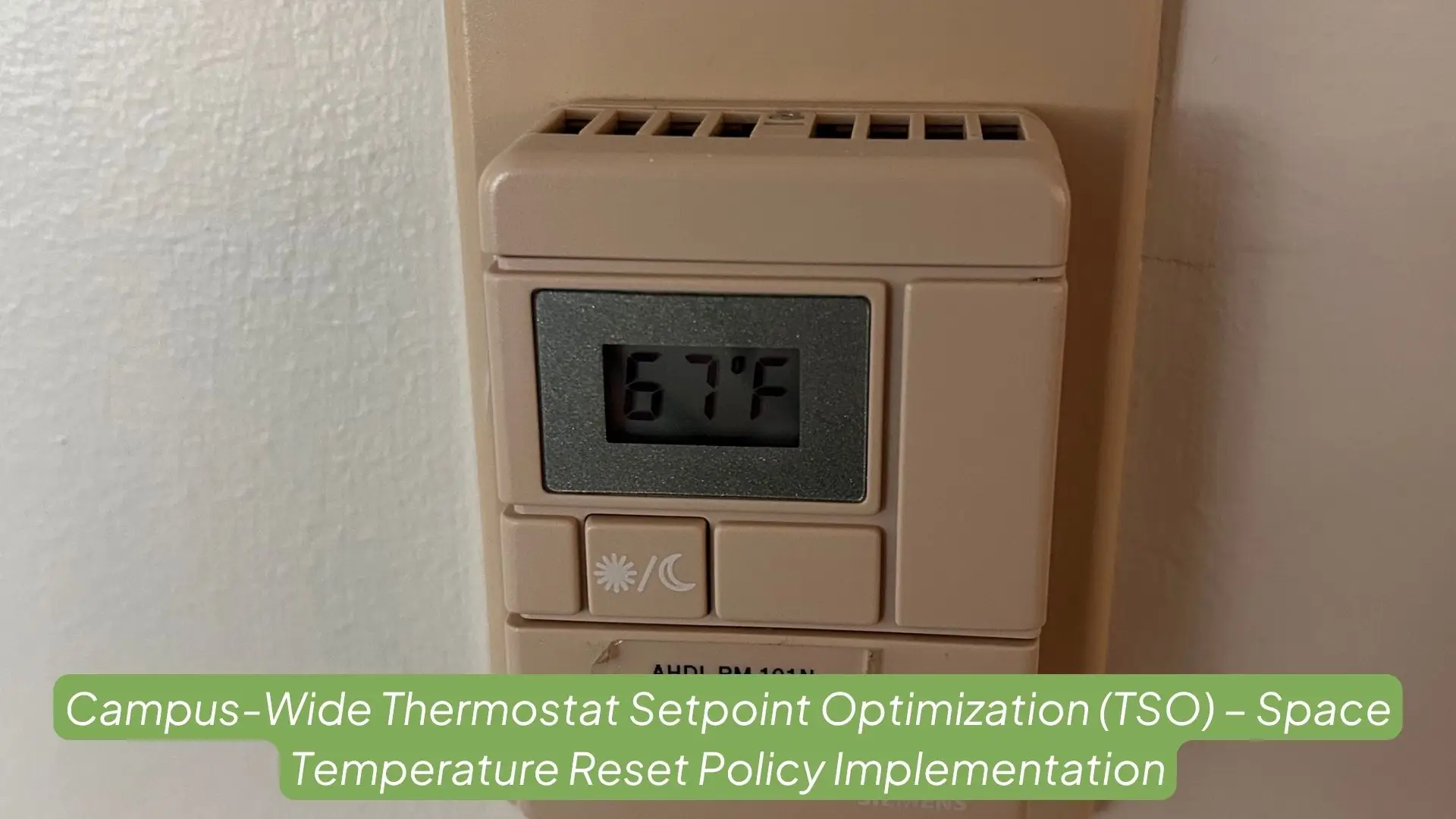
In particular, the flagship Incinerator Refractory and Burner Replacement served as a critical safety and reliability intervention. By mitigating the risks associated with refractory deterioration, the project stopped excessive heat transfer to the unit’s outer shell, which had previously compromised system integrity. Additionally, the Campus-Wide Thermostat Setpoint Optimization project significantly reduced heating and cooling demand through standardized seasonal setpoints. This measure proved to be one of the most cost-effective and scalable outcomes, achieving substantial energy savings through operational changes with minimal capital investment.
Financials
A rebate application is in progress with Consumers Energy.
Impact & Future Plans
The Veterinary Diagnostic Laboratory was recognized as the 2025 Michigan Battle of the Buildings Biggest Loser in the Healthcare & Sciences category for the 22% reduction in energy use. MSU has an emission reduction target of 50% by 2030 using the baseline of 2010 and 0% by 2050. This project’s energy and emissions reduction helps achieve the University’s long-term targets and commitments.
Looking forward, the new Combined Heat & Power Unit at the T.B. Simon Power Plant will add electric generation capacity and support the new West Regional Chilled Water Plant. This plant will provide reliable cooling to the Leinweber Center for Engineering and Digital Innovation, International Center, Wells Hall, and Erickson Hall, replacing aging infrastructure. This design also allows for future capacity expansion, aligning with the “Vision 2050” integrated facilities plan for Michigan State University.

The Michigan Battle of the Buildings is an awards and recognition program for energy use reduction open to all Michigan area commercial, industrial & multi-family buildings. The program is a way to encourage energy-efficient practices in buildings across the state and to instill a spirit of friendly competition among the area’s building owners and operators. There is no cost to enter the competition.
The 2025 Michigan Battle of the Buildings competitors saved $4.3 million in energy costs and avoided 13,388 metric tons of CO2e, which is equivalent to the carbon sequestered by 13,429 acres of US forests in one year! This year, we had 7 industry-specific category winners.
Board of Directors
Michigan State University,
Associate Chair for Faculty/Academic Staff Development – Department of Civil and Environmental Engineering in the College of Engineering,
Professor – Department of Civil and Environmental Engineering in the College of Engineering
Dr. Kristen Cetin is an Associate Professor and Associate Chair for Faculty and Academic Staff Development in the Department of Civil and Environmental Engineering. She is also the Director of the US Department of Energy Industrial Assessment Center. Dr. Cetin is also a licensed Professional Engineer and a LEED AP. Her research involves the use of building energy and daylight modeling and smart technologies to improve building energy performance and reduce peak loads, while maintaining occupant comfort. She is also interested in smart technologies, and how the use and integration of the Internet of Things (IoT) can enhance building performance, comfort, and real-time assessment of performance. Dr Cetin also has experience in the assessment of the thermal and hygrothermal performance of buildings, and development of inverse grey-box and black-box models for building energy performance. Her work has been funded by the National Science Foundation, ARPA-E, Sloan Foundation, ASHRAE, ACRP, and various industry partners. She is an active member of ASHRAE Technical Committee 7.5 – Smart Building Systems and MTG.OBB – Occupant Behavior in Buildings. She is also an Associate Editor for the ASCE Journal of Architectural Engineering, an Assistant Mentor for the ASCE ExCEEd Teaching Workshop, and a member of the ASHRAE Conference and Expositions Committee.
Board of Directors
Hedrick Associates, Vice President of Business Development
As the Vice President of Business Development Mark is responsible for developing and executing company sales and marketing plans. With this comes a strong focus on leveraging company strengths to address emerging offering gaps or taking advantage of new opportunities in the marketplace. These efforts work in conjunction with sales and operational leadership initiatives in order to oversee, hire, train, enable, and motivate Hedrick’s sales force.
Program Coordinator, MI Healthy Climate Fellow
Jessica M. Austin is an environmental justice advocate based in Grand Rapids, MI. She holds a Bachelor of Science in Occupational Safety and Health Management from Grand Valley State University. She is an alumna of the Michigan Healthy Climate Fellowship. In her previous role, she collaborated with specific neighborhoods to align them with Michigan’s Climate Agenda. She empowered smaller community-based organizations by providing them with the knowledge and resources necessary to promote resilience and sustainable practices.
Jessica specializes in coalition-building, community engagement, and strategic planning. She is passionate about leading teams and connecting with communities. Dedicated to promoting equity, she strives to create coalitions that empower Neighborhoods of Focus. By collaborating with diverse groups, her goal is to enhance community development through advocacy and raising awareness.
Managing Principal and Founder, McLennan Design
Principal and Chief Sustainability Officer, Perkins&Will
Considered one of the world’s most influential individuals in the field of architecture and green building movement today, Jason is a highly sought out designer, consultant, and thought leader around the planet. He is the recipient of the prestigious Buckminster Fuller Prize (the planet’s top prize for socially responsible design). He has been called the ‘Wayne Gretzky’ of the green building industry, a “World Changer” by GreenBiz magazine, and has been selected as the Award of Excellence winner for Engineering News Record – one of the only individuals in the architecture profession to have won the award in its 55-year history.
McLennan is the creator of the Living Building Challenge – the most stringent and progressive green building program in existence, as well as a primary author of the WELL Building Standard, which is sweeping the globe. He is the author of seven books on Sustainability and Design – used by thousands of practitioners each year, including the Philosophy of Sustainable Design, which is considered the ‘bible for green building’ – and is both an Ashoka Fellow and Senior Fellow of the Design Future’s Council. He has been selected by Yes! Magazine as one of ‘15 people shaping the world’ and works closely with world leaders, Fortune 500 companies, leading NGOs, major universities, celebrities, and influential development companies – all in the pursuit of a world that is socially just, culturally rich, and ecologically restorative. He is the founder of the International Living Future Institute and is the CEO of McLennan Design – his own architectural and planning practice, designing some of the world’s most advanced green buildings. McLennan’s work has been published in dozens of journals, magazines, and newspapers around the world. Jason serves as the Chief Sustainability Officer at Perkins&Will and is the Managing Principal at McLennan Design.
Data Management and Research Intern
Chloe (she/they) is a returning Data Management and Research Intern for the summer of 2025. In this role, they will be focusing on the Automated Benchmarking Service and developing case studies for the website. Currently a rising senior at the University of Michigan, Chloe is pursuing a major in Data Science with minors in Environmental Studies and Energy Science & Policy, and is doing research with the Energy Equity Project. In her free time, she enjoys spending time outdoors, hiking with her dog, and baking.
Data Management and Research Intern
Viraj is passionate about transforming energy data into actionable insights. At MiGBC, he focuses on Automated Benchmarking Services (ABS), helping businesses track, analyze, and optimize their energy usage effortlessly. With a background in data analytics, automation, and research, he works on streamlining energy reporting, integrating utility data, and enhancing benchmarking efficiency.
Currently pursuing a Master’s in Information Technology & Management, Viraj enjoys simplifying complex datasets and making energy data more accessible and impactful for businesses and communities. His goal is to leverage automation and data-driven strategies to drive sustainability and help organizations make smarter, more efficient energy decisions.
Board of Directors – Secretary
DTE Energy, Principal Supervisor – Energy Partnerships
Tamika works as a Principal Supervisor for the Energy Waste Reduction team at DTE Energy. She oversees a team of energy managers that work with commercial and industrial building owners and customers in the DTE Energy service area to achieve their energy efficiency goals. Tamika holds a B.S. in Chemical Engineering from the University of Michigan and a M.S. in Engineering Management from Eastern Michigan University. Tamika is also a Certified Energy Manager.
Board of Directors
The Business Law Group, Attorney
Andrew earned a Bachelor of Arts in History from Michigan State University and a law degree from Cooley Law School. Andrew is an attorney with an extensive background in civil litigation, business matters, franchise law, sports and entertainment law, and landlord-tenant matters. He has helped dozens of businesses and individuals with a variety of issues from starting up a new business venture to collecting debts to contract drafting and negotiations to general counsel to drafting and reviewing franchise agreements to evictions.
Board of Directors
Area General Manager, West Michigan Trane
Jeff joined Trane in 2007 in Madison as operations leader for a territory covering the state of Wisconsin and the western half of the Upper Peninsula of Michigan. Over the next ten years, he went through a progression of roles and expanding leadership responsibilities culminating as head of construction for a territory covering the Dakotas, Minnesota, Wisconsin, and parts of 5 other states. In 2017, he relocated to West Michigan and started leading the customer facing efforts in supporting the needs of communities with their indoor environmental needs from supporting sustainable designs to maintaining performance of the buildings.
Board of Directors – Vice Chair
Western Michigan University, Building Commissioning Specialist
DeVon Miller is the Building Commissioning Specialist at Western Michigan University. DeVon has over 8 years of experience in Facilities Management, over 15 years of experience in project management including energy conservation, building automation systems, building commissioning, and is a Building Commissioning Professional and LEED Accredited Professional with ASHRAE and Green Building Certification Institute (GBCI) respectively. He holds a Bachelor of Science degree in Mechanical Engineering from Michigan Technological University.
Board of Directors
Retired, Steelcase
An accomplished speaker on sustainability, operations environmental performance, and environmental strategies David educates and inspires community, customers, and business influencers through numerous board and community activities, national conferences, and educational events. David has a Bachelor’s in Microbiology and Public Health from Michigan State University and a Master’s in Management from Aquinas College. David participated as a member of the foundation committee that formed the West Michigan Chapter.
Board of Directors
Director of Business Development, Michigan Women Forward
Armed with a heart dedicated to service and a Master’s Degree in Business Administration from Cornerstone University, Ana Jose strives to be an advocate for those without a voice. Born and raised in a small Dominican province called Ingenio Consuelo, Ana’s roots are reflected through her work with the community. During her four years with Bethany Christian Services, she developed programs to secure housing for youth from overseas, specifically those from Central America. Ana’s ability to create and implement effective programming has allowed her to seamlessly step into the role of Program Manager at the West Michigan Hispanic Chamber of Commerce. The initiative that Ana will continue to grow and improve is called Transformando West Michigan, which focuses on Hispanic business owners that have the desire to gain knowledge and experience in differing fields, such as financial education or food safety certification. Her personal goal for the program is to facilitate opportunities for growth within Hispanic businesses. As a business owner herself, Ana operated West Michigan Mortgage and Financial Services (2004), in which she found great success helping people to understand the value of homeownership, which allowed her to become instrumental in helping families secure FHA loans. She has also created programs to help families improve their credit and secure properties in the city of Grand Rapids. Ana graduated from the Latino Talent Program at Ferris State University in 2015 and finds inspiration from the local community, her family, and Hispanic culture. She enjoys spending time with her husband and children and strives to be a good mom, daughter, and friend.
Board of Directors – Treasurer
Consumer’s Energy, Manager of Product Innovation
As Manager of Product Innovation for Consumers Energy, Lisa leads a portfolio of pilots and research projects to explore and test potential new products for the utility’s business customers. This work looks at emerging technology, civic partnerships, and programs that offer customers solutions in energy efficiency, energy demand-side management, electrification, and renewables, while working to support the company’s Clean Energy Plan. Prior to Consumers, Lisa was Director of Marketing and Communication at the Capital Region Community Foundation and held a variety of customer experience roles at MSU Federal Credit Union. She holds a Bachelor of Arts in English literature from Alma College and a Master of Arts in Strategic Communications from Michigan State University.
Board of Directors – Chair
Cella Building Company, President
Peter is president of Cella Building Company, specializing in sustainable new construction and redevelopment of under-utilized properties. Peter has experience in all phases of the development process from site selection through operations. By focusing on the impact on people, planet, and profit; Peter and the Cella Building Company team look to incorporate the principles of the triple bottom line to all projects in which they are involved.
Board of Directors
Ignyte Design, Principal / Mechanical Engineer
Jon is a Principal at IGNYTE Design and a registered Professional Engineer, licensed in multiple states. He provides expertise in sustainable design and carbon reduction for healthcare, higher education, government, and large commercial clients across the country. He has extensive experience working with facilities management teams to assess existing systems, plan for future capital projects, reduce their carbon footprint, and maximize their return on investment. When Jon isn’t helping clients, he’s spending time outside with his wife Kelly and daughters Adelyn and Amelia. He’s passionate about gardening, woodworking, and classic cars.
Board of Directors
PE / Associate / Senior Civil Engineer, Fishbeck
Ryan Musch is a Senior Civil Engineer and leads the Site Development Group at Fishbeck. Ryan has over 15 years of experience in Site and Civil Engineering and has focused much of his efforts on Sustainable Design within his Site Development and Civil projects. Ryan has a Bachelor of Science in Engineering from Calvin College, a Masters of Business Administration from Grand Valley State University, and is a LEED Accredited Professional and Sustainable SITES Accredited Professional.
2030 Program Manager
Audrey (she/her), a lifelong environmentalist, joined MiGBC to champion the Emerging Lansing 2030 District. Presently, Audrey is the 2030 Program Manager, overseeing the Grand Rapids and Lansing 2030 Districts. With over 15 years of experience in complex project and program management, Audrey brings a combination of technical expertise and enthusiasm for sustainable solutions.
As a dedicated climate activist, Audrey is committed to addressing pressing environmental challenges through community engagement and informed action. Audrey is a Michigan native with a Masters of Science in Packaging from Michigan State University and enjoys spending time outdoors, participating in endurance sports, and caring for animals.
Communications Manager
Ally (she/her) is our Communications Manager. She is in charge of working on our weekly newsletter, social media presence, website updating, blog, and more! Directly prior to this role she spent five months with us as our Website and Usability Intern. She is a graduate of Michigan State University where she earned her Bachelor of Fine Arts in Graphic Design and her Bachelor’s Degree in Comparative Cultures and Politics. She is passionate about combining her skills and love of design with environmental advocacy, as well as learning new ways to better the environment in her daily life.
In her free time she is an avid gardener, bike packer, and Great Lakes visitor. Though on a regular day she can be found spending most of her time with her two cats or taking care of her many houseplants.
Program Manager
Kayla (she/her) is the lead for our programs where she focuses on data management, educational events, and assisting local organizations with energy efficiency initiatives. Before joining MiGBC, Kayla performed energy audits, led internal educational sessions to bridge MEP design with energy efficiency, and collaborated with design engineers on reducing energy loads. She also has 4 years of experience in the brewing industry where she created her own sustainability internship tracking KPIs and implementing waste reduction strategies.
Kayla completed her associate degree at GRCC before transferring to the University of Michigan and graduating with a bachelor’s degree in Economics and Environmental Studies. She is passionate about equitable, energy efficient, and ecologically conscious buildings. In her free time, she enjoys running, gardening, spending time with family, and working on creative projects.
Event & Membership Manager
Wendy (she/her) coordinates our event planning, membership management, tracking & planning program impact and community engagement, as well as sharing in the development of all programs. Wendy is most passionate about mitigating climate change, reducing energy consumption, and environmental conservation.
Wendy comes to MiGBC with fifteen years of account management, event planning, volunteer training, and administrative experience in the non-profit and corporate sectors with a focus on the education environment. She holds a Bachelor’s degree in Environmental Resource Management and Environmental Studies.
Wendy spent her childhood days on the shores of Lake Superior and is a Yooper at heart. In here spare time she likes to keep active. She has been a long distance runner since middle school, is a certified advanced NAUII scuba diver, practices hot yoga, and loves to spend time exploring nature and traveling.
Executive Director
Cheri (she/her) is a LEED Accredited Professional with extensive experience and a genuine passion for energy & water conservation. Other areas of interest include indoor environmental quality, clean/renewable energy, access to healthy food and all things related to educating and promoting a healthy built environment. Prior to her work in non-profit Cheri spent most of her career consulting & partnering with private sector corporations to reduce resource consumption within their facilities through the implementation of energy conservation technologies and improved operational practices.
Mrs. Holman is a Past Chair of our Board of Directors after serving as Treasurer for 2 years. In early 2008 Cheri founded the LEED for Existing Building Advocacy Group. She served as a subject matter expert for the Green Building Certification Institute (GBCI) LEED for EB Operations and Maintenance test development in 2008 and the Commercial Reviewer exam test development in 2009. In 2010 & 2011 Cheri served as a Greenbuild conference session reviewer.